Comparing city water vs. well water in South Florida starts with understanding who manages the supply and what happens before water reaches your faucet. Municipal water goes through a public treatment and monitoring process. A private well places more responsibility on the property owner.
Both sources can still create household water concerns. Hardness, mineral deposits, sediment, chlorine taste, or unpleasant odors can affect how water looks, tastes, and performs around your home. Testing your water at the property gives you the information needed to choose treatment based on what is actually coming from the tap.
City Water vs. Private Well Water: Who Monitors the Supply?
Public water systems in Florida are required to perform routine monitoring and meet state drinking water standards. Customers also receive information about their local supply through water quality reporting. Private well owners, by comparison, are responsible for monitoring and maintaining their own household water supply.
That difference shapes how homeowners approach treatment.
With city water, your local utility handles treatment before the water enters the distribution system. You may still decide to treat the water further at home because of hardness, chlorine taste, odor, or another characteristic you would like to change.
With Florida well water, the homeowner has more direct responsibility for understanding the water conditions at the property. Regular testing is especially useful because groundwater characteristics can vary by location.
When people compare well water vs. city water pros and cons, there is no single answer that applies to every South Florida home. The useful question is what your water contains and what you want to improve.
Common Palm Beach Well Water Concerns: Iron, Sulfur Odor, Hardness, and Sediment
Private well water can carry minerals and sediment that affect water throughout the home. In Palm Beach County, homeowners often begin looking into well water treatment because they notice staining, unpleasant odors, mineral scale, or visible particles.
Iron can contribute to orange or brown staining on plumbing fixtures and other surfaces. Hardness can leave white scale around faucets and showerheads while making soap and detergent less effective.
A sulfur-like odor is another problem that can make water unpleasant to use. Sediment may appear as particles or cloudiness and can create additional work for filters and household fixtures.
The right well water filtration system depends on which of these conditions are present and at what levels. One system should not be expected to solve every possible water concern.
Aqua Soft offers specialty water treatment systems designed for concerns that include sulfur odor and other challenging water conditions. Its product range also includes water softeners for hard water when mineral hardness is the main problem.
Testing first helps determine which treatment, or combination of treatments, fits the property.
City Water Concerns: Hardness, Chlorine or Chloramine, Taste, and Odor
Municipal treatment does not mean every homeowner will like how the water feels or tastes.
Hardness can still be present in city water. If you see scale on fixtures, spots on dishes, or mineral residue on shower surfaces, a water hardness test can show whether softening should be considered.
Municipal utilities may also use chlorine or chloramine as part of their treatment process. The disinfectant used can affect how the water tastes or smells by the time it reaches your home. Your local water utility’s Consumer Confidence Report can provide information about its treatment and water quality.
Homeowners looking for a whole-house water filter for city water should identify the specific concern before selecting equipment. A system intended to address chlorine taste and odor have a different job from a water softener designed to reduce hardness.
The same applies to a city water filtration system. The best fit depends on what you want to change about the water and what testing shows at your home.
Good city water treatment starts with a specific goal. That might be reducing hardness throughout the house, addressing chlorine taste and odor, or improving water used for drinking and cooking.
Why a Consumer Confidence Report Is Not the Same as Testing at Your Tap
A Consumer Confidence Report, or CCR, is a useful resource for customers on a public water system. EPA requires community water systems to provide these reports each year, with information about the water source and regulated substances found through the utility’s monitoring program.
The report tells you about the public water system. It does not represent a water sample collected from your kitchen or bathroom faucet.
That distinction matters because a homeowner is usually trying to solve a problem at a specific property. You may be concerned about scale on your fixtures, chlorine smell in the shower, or the taste of water from the kitchen tap.
A test performed at your home gives you information tied directly to the water you are using. It can also measure conditions such as hardness that may be particularly important when selecting household treatment equipment.
Use the CCR as useful background information, then test at the property when you are deciding what equipment your home needs.
Treatment Options for Well Water in South Florida
There is no standard treatment package for every private well. Treatment should be based on test results and the conditions causing problems inside the home.
Hardness may call for a water softener. Sulfur odor, iron, color, or sediment may require specialty filtration or conditioning equipment. When several concerns occur together, treatment may involve more than one stage.
In some applications, a whole-house reverse osmosis system may be considered. Aqua Soft offers whole-house RO systems for both municipal and well water applications, including situations involving high total dissolved solids or other water conditions that require broader treatment.
That does not mean whole-house RO is necessary for every well. A simpler system may be a better fit when the concern is limited to hardness, sediment, or a specific odor.
The goal is to avoid buying more equipment than your water requires while still addressing the problems that matter to your household.
Treatment Options for Municipal Water in South Florida
City water treatment at home usually focuses on improving specific characteristics of water that has already been treated by the utility.
For hardness, a Kinetico water softener can reduce calcium and magnesium that contribute to scale. Aqua Soft’s systems include non-electric models and twin-tank designs intended to provide soft water based on household demand.
For chlorine taste or odor, whole-house dechlorination may be considered. Drinking water systems can provide additional filtration at the point where your family gets water for drinking and cooking.
A whole-house reverse osmosis system may make sense in certain situations where broader filtration is needed. The right choice depends on the test results, household water use, available space, and what you want the system to accomplish.
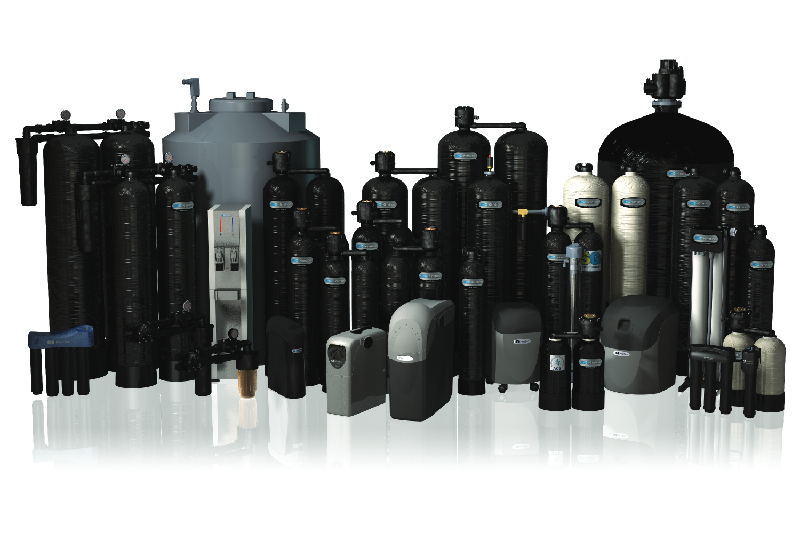
You can compare Aqua Soft’s available water treatment products, including softeners, dechlorinators, drinking water systems, specialty treatment equipment, and whole-house RO systems.
For homeowners comparing water treatment Palm Beach options, this approach keeps the decision focused on the water rather than the longest equipment list.
Test First: Choosing Treatment for Your Palm Beach or Broward County Home
Water source is only the beginning of the decision. Two properties on city water can have different household priorities, just as two private wells can produce water with different mineral characteristics.
Aqua Soft Water Systems is an authorized independent Kinetico dealer serving Palm Beach and Broward counties. The company offers water testing and treatment options for hardness, chlorine taste and odor, sulfur odor, sediment, and other common household water concerns.
If you are deciding between treatment options for city water vs well water, start with a free water analysis. Your test results can help narrow the options and show which system has a clear job to do in your home.
Contact us today to schedule your water analysis and discuss the right treatment for your Palm Beach or Broward County property.