Last Updated on February 25, 2026 by Aqua Soft Water Systems
Removing chlorine from water helps improve taste, reduce odor, and protect your health. Chlorine is used in most municipal water supplies to kill harmful bacteria. While effective for disinfection, chlorine can cause side effects you may not want in your home. It can dry out skin, alter how water tastes, and affect the quality of your cooking and drinking water.
This guide explains what chlorine is, how it affects your water, and what options you have to reduce or eliminate it. If you’re looking for cleaner water for your family, understanding dechlorination is the first step.
What Is Chlorine and Why Is It Added to Tap Water?
What is chlorine? Chlorine is a chemical disinfectant widely used in public water treatment systems. Cities add it to kill bacteria, viruses, and other microorganisms in the water supply. It helps prevent the spread of waterborne diseases and keeps water safe during distribution.
Chlorine is effective, inexpensive, and easy to monitor. Most homes in Palm Beach and Broward County receive chlorinated tap water. In some areas, water utilities use a mix of chlorine and ammonia called chloramine. Both forms help maintain water safety, but they’re not without downsides.
Even at safe levels, chlorine can cause taste and smell issues. It can also react with organic matter in water to form byproducts known as trihalomethanes (THMs), which are a concern when inhaled or ingested over time. That’s why many homeowners are now asking how to remove chlorine from tap water safely and reliably.
The Effects of Chlorine in Drinking Water
Understanding the effects of chlorine in drinking water helps explain why so many households are turning to filtration systems.
Common issues include:
- Taste and smell: Chlorine leaves a chemical or pool-like taste that affects drinking, coffee, tea, and food.
- Dry skin and hair: Showering in chlorinated water can cause dryness or irritation.
- Respiratory effects: Vapor from hot showers may irritate people with asthma or sensitivities.
- Appliance wear: Chlorine can damage rubber seals in washing machines and dishwashers over time.
- Chemical byproducts: Long-term exposure to disinfection byproducts (DBPs) is under study for potential health risks.
These problems aren’t just about comfort. For some families, removing chlorine from water is important for skin health, especially for children or people with eczema or allergies.
The Benefits of Chlorine-Free Water
Switching to chlorine free water has several benefits for your home, health, and daily routine.
Here’s what many homeowners notice:
- Improved taste and smell: Food, coffee, and tea taste cleaner without chemical interference.
- Healthier skin and hair: Less dryness, fewer irritations, and softer skin after bathing.
- Fewer appliance problems: Less chemical wear and fewer leaks in appliances that use water.
- Better hydration: When water tastes clean, people tend to drink more of it.
- Peace of mind: You know you’re not ingesting or inhaling chlorine byproducts every day.
Removing chlorine makes a noticeable difference in your water quality. It’s one of the easiest upgrades you can make for everyday use.
How to Remove Chlorine from Tap Water Safely
If you’re wondering how to remove chlorine from tap water, there are several reliable methods. The right option depends on how much water you want to treat and whether you want to remove chlorine from all taps or just drinking water.
Here are the most effective solutions:
- Whole-house dechlorinators
These systems filter all the water entering your home. They use activated carbon to trap and remove chlorine and other contaminants before the water reaches your faucets. They’re installed at the point of entry and require little maintenance. - Reverse osmosis systems
RO systems push water through a fine membrane, removing a wide range of contaminants, including chlorine. They’re installed under the sink or for the whole house. - Shower filters
Good for renters or single bathrooms, these filters help reduce chlorine exposure during showers. - Carbon filters
Found in pitchers or faucet attachments, carbon filters help reduce chlorine for small volumes of water.
For long-term, whole-home solutions, dechlorinators are the most effective option. They treat every drop, including what goes into your dishwasher, washing machine, and showers.
What Is Dechlorination and Why It Matters for Your Home
What is dechlorination? It’s the process of removing chlorine from water to make it safer and more pleasant for household use. Most systems use activated carbon to absorb and neutralize chlorine molecules as water passes through.
Dechlorination matters because chlorine is not just in the water you drink. It’s in the water you shower with, wash your clothes in, and use on your skin every day. Without a proper system, you’re constantly exposed to it through skin contact, inhalation, and ingestion.
If you want clean, safe water throughout your home, not just from one faucet, dechlorination is a smart investment. Aqua Soft Water Systems offers professional installation of whole-home dechlorination units that require no electricity and minimal maintenance.
These systems can last for years and help protect your home’s water quality. If you’re not sure whether your water has high chlorine levels, schedule a free water analysis. It’s the first step toward a healthier home.
How to Choose a Reverse Osmosis System for Chlorine Removal
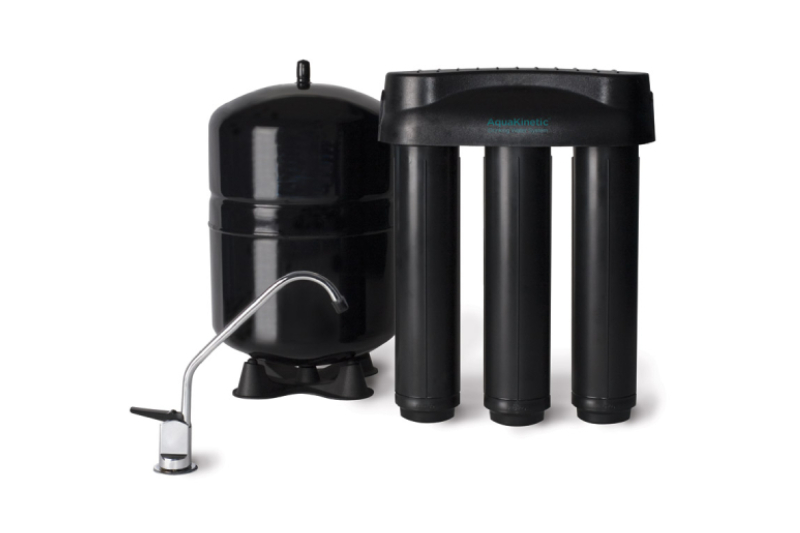
How to choose a reverse osmosis system depends on your water needs and how much water you want to treat. RO systems are best for drinking and cooking water, especially if you want to remove chlorine, salts, and other dissolved solids.
Here’s what to look for:
- Pre-filtration: Choose a system with a carbon pre-filter. This removes chlorine before it hits the membrane, protecting the system and improving performance.
- Storage capacity: RO systems store filtered water in a tank. Make sure it meets your household needs.
- Flow rate: Look for a system that provides enough water pressure for daily use.
- Maintenance: Filters and membranes need changing on schedule. Pick a system with simple maintenance steps.
For households looking to improve both taste and purity, reverse osmosis drinking water systems are one of the most effective tools. They remove chlorine and a wide range of other impurities. Aqua Soft offers whole-house and under-sink options, depending on how much water you want to treat.
The Smart Way to Cleaner Water
If you’re ready to take control of your water quality, start by testing what’s coming out of your tap. A local expert can check chlorine levels and help you find the right system for your home. You can contact us today to schedule your free water analysis or to learn more about your filtration options.
Aqua Soft Water Systems installs high-quality dechlorinators and RO systems across Palm Beach and Broward counties. All systems are efficient, non-electric, and designed to work with Florida water. Their team provides fast installation and local support you can trust.
Removing chlorine from water is one of the easiest ways to improve your health, comfort, and peace of mind. Whether you’re tired of the smell or just want cleaner water for your family, it’s worth taking the next step.