Last Updated on February 18, 2026 by Aqua Soft Water Systems
Access to clean water is a human need and necessity. Water filters and purifiers work by removing contaminants that would otherwise pose serious health risks such as cholera. But how exactly do they work and what type do you need for your home or commercial enterprise? Aqua Soft Palm Beach, experts in water treatment in Palm Beach, explain.
How Do Water Filters Work?
If you’re asking how do water filters work, the answer depends on the type of filter and what it’s designed to remove. In general, water filters use physical barriers, chemical processes, or a combination of both to remove particles from water.
Most filters trap impurities like sand, silt, sediment, and in some cases, bacteria and viruses. Carbon filters are commonly used to remove chlorine, chloramines, and odors. Filters vary in effectiveness, so while they are great at improving taste and clarity, they may not remove dissolved contaminants like pesticides or heavy metals.
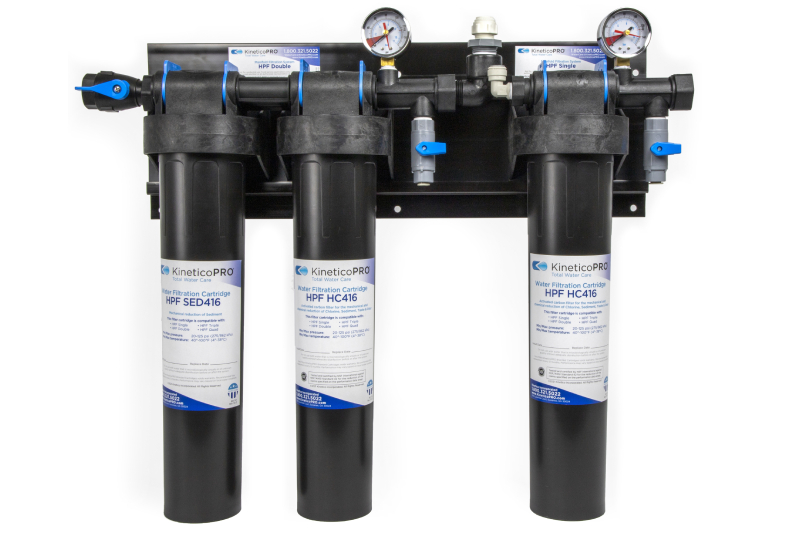
Drinking water filtration systems often use multiple stages—such as activated carbon and ion exchange—to target a range of impurities and improve water safety at the point of use.
How Do Water Purifiers Work?
Understanding how do water purifiers work is important if you’re dealing with more than just basic sediment or chlorine. Purifiers go beyond filtration by using technology to eliminate nearly all harmful contaminants in water, including bacteria, viruses, pesticides, and heavy metals.
They are especially useful in older homes with aging pipes, or areas where the water supply may contain higher levels of industrial or agricultural runoff. Water purifiers use more advanced techniques to clean water, making them suitable for both homes and commercial properties where water safety is a priority.
Different Types of Water Filters and Purifiers
The types of water filters you need will depend on your water quality and where you want the filtration to occur.
- Whole-house filters: Installed at the point of entry, these systems treat all water entering the home. They reduce sediment, chlorine, and other impurities that affect water quality across all taps.
- Shower filters: These attach to your showerhead and reduce chlorine and other harsh chemicals that can irritate skin and hair.
- Drinking filters: These include countertop, under-sink, and fridge filters. They often use activated carbon and ion exchange to remove contaminants like chlorine and volatile organic compounds (VOCs).
Types of Water Purifiers
There are multiple types of water purifiers available, each using a different method to clean water:
- Reverse osmosis (RO): Water is pushed through a semi-permeable membrane, removing up to 99% of contaminants. Some homeowners opt for whole house reverse osmosis filtration systems to purify all water entering the home.
- Distillation: Water is boiled into steam, which is then condensed back into liquid. This process removes heavy metals, bacteria, and many chemicals.
- Ultrafiltration (UF): Similar to RO, but uses a larger-pore membrane that captures bacteria and pathogens without removing beneficial minerals.
- Gravity purifiers: These don’t require electricity and use gravity to pass water through filters. They remove visible particles and chlorine but are less effective on chemical contaminants.
- UV purification: A UV lamp kills bacteria and viruses without adding chemicals. It’s often used as a final disinfection step in multi-stage systems.
Difference Between Water Filtration and Water Purification
The difference between water filtration and water purification lies in the level of contaminant removal. Filtration targets physical impurities and improves taste and smell. It’s great for households with generally clean municipal water that just needs polishing.
Purification removes a broader range of contaminants, including microorganisms and dissolved chemicals. If you rely on well water or live in an older home with corroded pipes, purification may be necessary to ensure safe drinking water.
Water Filter vs. Purifier: Which Should You Choose?
When choosing between a water filter vs purifier, consider your water source and your household’s needs.
Choose a water filter if:
- You want to improve taste and reduce chlorine
- Your water is already treated but needs fine filtration
- You’re focused on point-of-use like kitchen or shower
Choose a water purifier if:
- You’re concerned about bacteria, heavy metals, or chemical pollutants
- You live in an area with old plumbing or water advisories
- You need whole-home or multi-stage protection
A professional water test is the best way to determine what system will work for you. Aqua Soft Water Systems offers expert advice and customized solutions for South Florida homes. Whether you’re considering under-sink filters or whole house reverse osmosis filtration systems, they can help you find what fits best.
To get started, schedule a free water analysis and explore solutions designed to protect your water supply long term. Aqua Soft’s team will guide you through your options and make sure you choose the right water filters and purifiers for your home.