PFAS in drinking water is a growing concern across the United States, including Florida. Many homeowners want to know what these chemicals are, how they enter tap water, and what they can do to reduce exposure.
You may have seen reports about PFAS in drinking water in Florida communities. That attention has raised important questions about safety and treatment options. One common solution homeowners consider is reverse osmosis, which can help reduce certain contaminants in drinking water.
If you want safer water for your home, start by understanding how PFAS form, where they come from, and what treatment systems can help address the issue.
What Are PFAS in Drinking Water?
You may hear PFAS called forever chemicals in tap water. The name comes from how long these compounds last in the environment. They do not break down easily in soil or water.
PFAS stands for per- and polyfluoroalkyl substances. These chemicals have been used for decades in many products because they resist heat, grease, and water.
Common sources include:
- Nonstick cookware coatings
- Food packaging
- Stain-resistant fabrics
- Firefighting foam used at airports and training sites
- Industrial manufacturing processes
Because these chemicals resist breakdown, they can move through soil and reach groundwater supplies. That groundwater often becomes part of municipal drinking water systems.
Over time, small amounts can build up in water sources. That is why homeowners often ask what are PFAS and why they appear in tap water.
Even low levels can raise concern because these chemicals remain in the body for long periods.
PFAS Contamination in Florida Tap Water
The PFAS contamination that Florida communities face often connects to specific industrial or military activity. Airports, firefighting training areas, and manufacturing facilities are common sources.
Florida relies heavily on groundwater for drinking water. When PFAS enter groundwater systems, they can spread through wells that supply homes and municipalities.
Several areas in the state have reported detectable PFAS levels in water supplies. Local utilities monitor and report results under federal and state guidelines.
But testing programs may vary by location. That means some homeowners want additional testing for peace of mind.
If you live in Florida, you may want to understand your local water report and consider a free water analysis from a treatment professional. Testing can help identify common water quality issues and determine whether additional treatment may help.
PFAS Health Risks: Why These Chemicals Matter for Families
Many homeowners search for information about PFAS health risks because these chemicals can stay in the body for years.
Research from environmental and health agencies has linked long term exposure to several concerns. Scientists continue to study the full impact, but current findings suggest potential effects on certain body systems.
Reported concerns may include:
- Changes in cholesterol levels
- Effects on the immune system
- Possible impacts on liver function
- Potential developmental effects in infants
Because PFAS remain in the environment and in the body, even small exposures over time can add up.
That is why families often look for ways to reduce forever chemicals in tap water. Reducing exposure at the drinking water level is one practical step homeowners can take.
How to Test for PFAS in Water
If you want to know whether PFAS are present in your home water, testing is the first step.
Many people search how to test for PFAS in water because standard water tests may not include these chemicals. PFAS testing usually requires specialized laboratory analysis.
Here are common ways homeowners approach testing:
Professional water testing
A water treatment provider can collect samples and send them to a certified lab. This option often gives the most reliable results.
Municipal water reports
Public water utilities publish annual water quality reports. These reports may include PFAS data if testing has been conducted.
Private well testing
If your home uses well water, testing is especially important. Private wells are not regulated the same way municipal systems are.
When you schedule a free water analysis with Aqua Soft Water Systems, technicians review your current water quality concerns and discuss testing options that fit your home.
Testing helps you decide whether treatment systems may improve your water.
How to Remove PFAS From Water?
Many homeowners want to know how to remove PFAS from water once testing confirms their presence.
Certain filtration technologies can reduce PFAS levels in drinking water. Treatment options often focus on point of use systems that treat water at a specific faucet.
Common approaches include:
Activated carbon filtration
Carbon filters can reduce some PFAS compounds. These systems are often used in pitcher filters or whole house units.
Reverse osmosis systems
Reverse osmosis systems push water through a semi permeable membrane. That membrane removes many dissolved contaminants, including certain PFAS.
Ion exchange filtration
Ion exchange resins can capture some PFAS molecules in specialized systems.
Each method works differently. The right solution depends on your water chemistry and your treatment goals.
Many homeowners choose reverse osmosis water systems because they target drinking water at the kitchen faucet. That approach treats the water you drink and cook with every day.
Does Reverse Osmosis Remove PFAS From Drinking Water?
Reverse osmosis is widely used in residential drinking water treatment. Many homeowners ask whether reverse osmosis PFAS removal is effective.
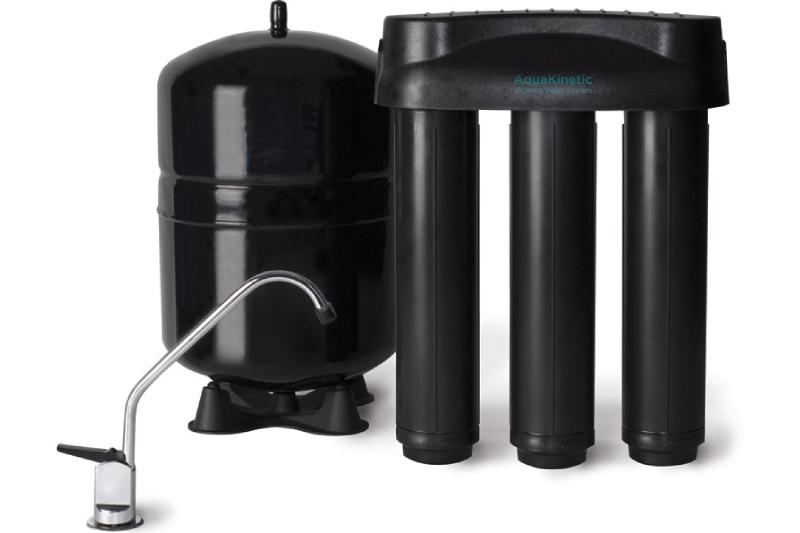
A reverse osmosis system uses several filtration stages:
- A sediment filter removes particles
- A carbon filter reduces chlorine and certain chemicals
- A reverse osmosis membrane removes many dissolved contaminants
The membrane is the key component. It allows water molecules to pass while blocking many larger molecules.
Research shows that reverse osmosis systems can reduce many PFAS compounds in drinking water when systems are properly maintained.
That is why reverse osmosis water systems are often recommended for households that want added drinking water protection.
At Aqua Soft Water Systems, technicians help homeowners choose systems sized for their household water use. Proper installation and maintenance ensure the system performs as expected.
You also receive guidance on filter replacement and system care so the system continues to treat water effectively.
If you are concerned about PFAS in drinking water, a reverse osmosis system may provide a practical option for reducing exposure in the water you drink every day.
Many Florida homeowners begin with testing and then install a drinking water treatment system if results show contaminants.
Schedule a free water analysis with Aqua Soft Water Systems to learn more about your home water quality and available treatment options.
Contact us today to speak with a water specialist and explore reverse osmosis water systems designed for Florida homes.