When your water smells like chlorine, daily water use can feel off. A glass of water may taste like a pool. Your shower may smell sharp. Your coffee, ice, and cooking water may carry the same chemical taste.
In Palm Beach and Broward County, chlorine odor is usually tied to municipal water treatment. Local utilities treat water before it reaches your home, then maintain a disinfectant residual as water moves through pipes. Broward County says its final treatment step uses chlorine and ammonia, known as chloramines, and keeps a small residual in the distribution system.
That does not mean you have to live with the taste or smell. Aqua Soft Water Systems can test your water and recommend the right filtration option for your home.
Why Does My Tap Water Smell Like Chlorine?
If you have asked, “Why does my tap water smell like chlorine?” the answer often starts with your utility’s treatment process.
Chlorine or chloramines may remain in the water after treatment. That residual helps keep water stable as it travels from the treatment plant to your home. The closer your home is to a treatment point, or the stronger the residual is in your area, the more you may notice it.
Chlorine odor can show up in different ways:
- A pool-like smell from the tap
- A chemical taste in drinking water
- A strong smell during hot showers
- Ice that affects the taste of drinks
- Coffee or tea that tastes flat or sharp
- Dry-feeling skin or hair after bathing
Hot water can make the smell more noticeable because heat helps release odor into the air. That is why some homeowners smell chlorine more in the shower than at the kitchen sink.
Your water may also smell different during utility maintenance, seasonal water changes, or flushing. If the smell appears suddenly, check your local utility notices. But if the odor is constant, home filtration may be the better long-term fix.
Why Chlorine Is Added to Tap Water
Many homeowners want to know why chlorine is added to water if it affects taste and smell.
The answer is simple. Chlorine and chloramines help maintain water quality as treated water moves through public pipes. The CDC explains that chlorine and chloramine are used to disinfect drinking water, and utilities may switch between them based on system needs.
That treatment is part of municipal water management. It does a job before the water reaches your home.
The issue is that treatment chemicals can still affect the water you use every day. Chlorine taste and odor may be noticeable even when water meets drinking water standards.
That is where a home water treatment system helps. It does not replace the city’s role. It improves the water after it enters your home, so it tastes, smells, and feels better for your family.
How Much Chlorine Is in Tap Water?
How much chlorine is in tap water depends on your utility, location, pipe distance, and system conditions.
The CDC says chlorine or chloramine levels up to 4 milligrams per liter, or 4 parts per million, are considered safe in drinking water. The EPA also lists 4.0 mg/L as the maximum residual disinfectant level for chlorine and chloramines in drinking water regulations.
That number is a regulatory limit, not a comfort level.
Some people can smell or taste chlorine at much lower levels. You may notice it in showers, drinking water, ice, or cooking, even when the water is within required limits.
That is why a free water analysis helps. It can show what is happening at your tap. It can also help determine whether your concern is chlorine, chloramines, hardness, sediment, or a mix of issues.
My Water Smells Like Chlorine, Is It Safe to Drink?
If your question is, “My water smells like chlorine; is it safe to drink?” the answer depends on the chlorine level and your local water report.
In many cases, a chlorine smell does not mean the water is unsafe. It often means the disinfectant residual is noticeable. Palm Beach County Water Utilities says its Water Quality Report explains what is in the water and how it compares with standards set by regulatory agencies.
But safe and pleasant are not the same thing.
Water can meet standards and still taste or smell unpleasant. It can still make coffee taste off. It can still leave you buying bottled water. It can still make showers less comfortable.
You should take action if:
- The chlorine odor is sudden and very strong
- The water looks cloudy or discolored
- The smell appears only from hot water
- The taste changes without explanation
- You have concerns after reviewing your city’s water report
For most homeowners, the next step is not guessing. It is testing. Aqua Soft Water Systems offers a free water analysis for Palm Beach and Broward County homes, so you know what is in your water before choosing a system.
How to Reduce Chlorine Odor in Your Tap Water
You can reduce chlorine odor with the right filtration system.
A simple pitcher filter may help one glass at a time, but it will not treat showers, laundry, bathroom sinks, or appliances. A refrigerator filter may improve ice and water from the fridge, but it will not solve the whole-home chlorine smell.
For a stronger fix, consider these options:
- A whole-house dechlorinator to reduce chlorine taste and odor throughout the home
- A drinking water filtration system for the kitchen sink
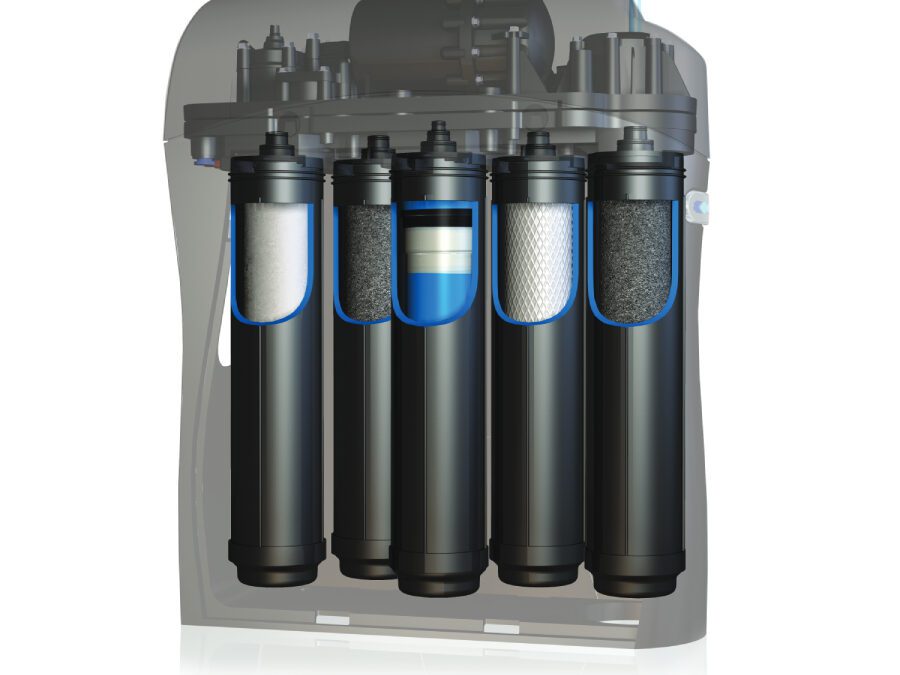
- A reverse osmosis system for cooking, drinking, coffee, and ice
- A combination system if you also have hard water or sediment concerns
Kinetico dechlorinators are designed to treat water before it moves through your home. That can help with chlorine odor in showers, sinks, and laundry.
Drinking water filtration systems focus on the water you consume most. These systems work well when your biggest concern is taste from the kitchen tap.
Reverse osmosis water systems can also help improve drinking water quality at a dedicated tap. Whole house reverse osmosis water systems exist, but most municipal water users in South Florida do not need that level of treatment for the entire home. A drinking water system, paired with whole-house dechlorination and softening, is often a better fit.
Water Treatment Solutions for Chlorine Taste and Odor
The best water treatment solution depends on how chlorine affects your home.
If your shower smells like a pool, a whole-house dechlorinator may be the right choice. It treats water before it reaches bathrooms, laundry, and sinks.
If your tap water tastes chemical, a drinking water filtration system or reverse osmosis system may be enough. That gives you better water where you drink, cook, make coffee, and fill ice trays.
If your home also has hard water, you may need more than chlorine reduction. Hard water can create scale on faucets, cloudy dishes, and stiff laundry. In that case, Aqua Soft Water Systems may recommend a Kinetico water softener with a dechlorinator and drinking water system.
That is why testing comes first.
Aqua Soft Water Systems serves Palm Beach and Broward County with Kinetico dechlorinators, drinking water filtration systems, reverse osmosis water systems, whole house reverse osmosis water systems when needed, and other water treatment products.
Schedule your free water analysis to find out what is causing the chlorine odor in your home. Then Aqua Soft can recommend the right system for your water, budget, and daily use.
If your water smells like chlorine, you do not have to keep buying bottled water or guessing which filter will work. Contact us today to get clear answers and better-tasting water throughout your South Florida home.