Chloramine in tap water has become common in many Florida water systems. Utilities use it to disinfect drinking water and maintain sanitation through long distribution pipelines.
But many homeowners notice changes in taste, smell, and water quality after chloramine is introduced. That has led more families to research treatment options such as Reverse Osmosis.
If you live in South Florida, understanding chloramine in tap water helps you make informed decisions about your drinking water, plumbing, and home filtration systems.
What Is Chloramine in Tap Water and Why Utilities Use It
Many homeowners ask the same question first. What is chloramine?
Chloramine forms when water utilities combine chlorine with ammonia. The result is a disinfectant that lasts longer in water systems.
Utilities use chloramine in water because it stays stable as water travels through miles of distribution pipes. That stability helps maintain disinfection levels from treatment plants to residential taps.
Municipal systems began switching from chlorine to chloramine for several reasons:
- It lasts longer in distribution systems
- It forms fewer regulated disinfection byproducts
- It reduces chlorine odor in drinking water
In South Florida, some utilities have moved toward chloramine in water treatment programs to meet regulatory requirements and maintain consistent disinfection.
While chloramine protects public water supplies, some homeowners notice side effects that affect water quality in their homes.
Chloramine vs Chlorine in Water
Understanding chloramine vs chlorine in water helps explain why many homeowners notice changes after utilities switch disinfectants.
Chlorine has been used in drinking water treatment for more than 100 years. It works well as a disinfectant but breaks down faster in pipelines.
Chloramine behaves differently.
Key differences include:
Disinfection stability
Chloramine remains stable longer than chlorine in water distribution systems.
Taste and odor
Chlorine often produces a strong pool smell. Chloramine produces a milder odor but may still affect taste.
Removal difficulty
Chlorine is easier to remove using standard carbon filters. Chloramine removal often requires specialized filtration systems.
Because chloramine lasts longer in water systems, it can travel farther through pipes before breaking down. That persistence can increase exposure at the household level.
That is why many homeowners begin looking into chloramine removal methods.
Health Effects of Chloramine in Drinking Water
Many residents researching chloramine in water want to understand possible chloramine health effects.
Municipal water systems use chloramine at regulated levels considered safe for public drinking water. Regulatory agencies monitor these levels to maintain sanitation while protecting consumers.
However, some people report sensitivity to disinfectants in tap water.
Common concerns reported by homeowners include:
- Changes in drinking water taste
- Digestive discomfort for sensitive individuals
- Dryness after bathing or showering
Research into chloramine health effects continues as water utilities adopt this disinfectant more widely.
Some homeowners choose to install water treatment systems simply to improve taste, smell, and comfort in daily water use.
Even when water meets regulatory standards, treatment systems can improve water quality at the point of use.
Chloramine and Skin Irritation: Why Your Shower Water Matters
Many people focus only on drinking water. But shower water also exposes your skin and hair to chemicals in municipal water supplies.
Some homeowners notice chloramine skin irritation after utilities switch disinfectants.
Chloramine behaves differently from chlorine in water. It stays stable longer and can remain present during bathing and showering.
That exposure may lead to symptoms such as:
- Dry skin after showering
- Increased sensitivity for people with skin conditions
- Dry hair or scalp irritation
Hot water and steam may increase exposure during showers. That is why whole home filtration systems are sometimes considered for households with sensitive skin.
Treating water before it reaches showers and sinks can reduce disinfectant exposure throughout the home.
How to Remove Chloramine From Water
If you want to improve water taste or reduce disinfectant exposure, you may ask how to remove chloramine from water.
Standard filters designed for chlorine often struggle with chloramine removal. The chemical bond between chlorine and ammonia makes chloramine harder to treat.
Several filtration methods are commonly used.
Catalytic carbon filtration
Catalytic carbon filters break down chloramine molecules and capture chlorine components.
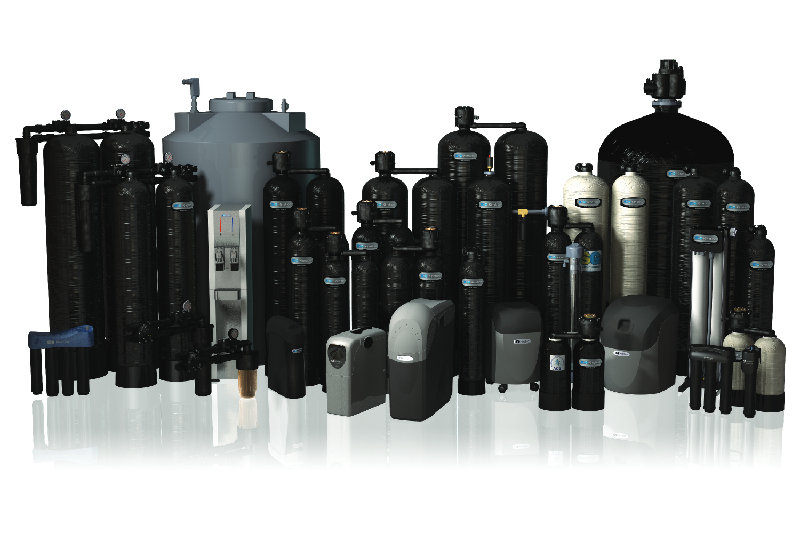
Whole house filtration systems
These systems treat water as it enters the home. They can reduce disinfectants before water reaches showers, sinks, and appliances.
Reverse osmosis systems
Reverse osmosis systems treat drinking water at the faucet. These systems use membranes and carbon filtration to reduce many contaminants.
Because chloramine behaves differently from chlorine, selecting the right filtration system matters.
Professional water testing and consultation help identify the best approach for your household.
A free water analysis from Aqua Soft Water Systems can help determine what treatment options match your home water conditions.
Choosing the Best Whole House RO System for Chloramine Removal
Some homeowners want broader protection across the entire home. That is where whole house reverse osmosis water systems may become part of the discussion.
A Reverse osmosis system works by forcing water through a semi permeable membrane. The membrane removes many dissolved contaminants before water reaches drinking faucets.
In many systems, carbon filtration stages work alongside the RO membrane. These filters reduce disinfectants before the water passes through the membrane.
Whole house reverse osmosis water systems treat water before it enters the plumbing system. That means treated water flows to:
- Kitchen faucets
- Showers and bathtubs
- Laundry appliances
- Dishwashers
This type of system provides comprehensive water treatment across the home.
However, system design must match the size of the home and the household water demand. That is why professional evaluation is important before installing any large treatment system.
Aqua Soft Water Systems works with South Florida homeowners to review water quality, household water use, and system options.
Technicians can explain how chloramine removal works and whether whole home treatment or point of use systems are the better choice.
If you are concerned about chloramine in tap water, the first step is understanding your home water conditions.
Schedule a free water analysis with Aqua Soft Water Systems to learn more about treatment options for your home.
Contact us today to speak with a water specialist and explore whole house reverse osmosis water systems designed for South Florida homes.
Reducing chloramine in tap water can improve taste, comfort, and water quality across your home. A professional water evaluation helps you choose the system that fits your needs.