Last Updated on May 4, 2026 by Aqua Soft Water Systems
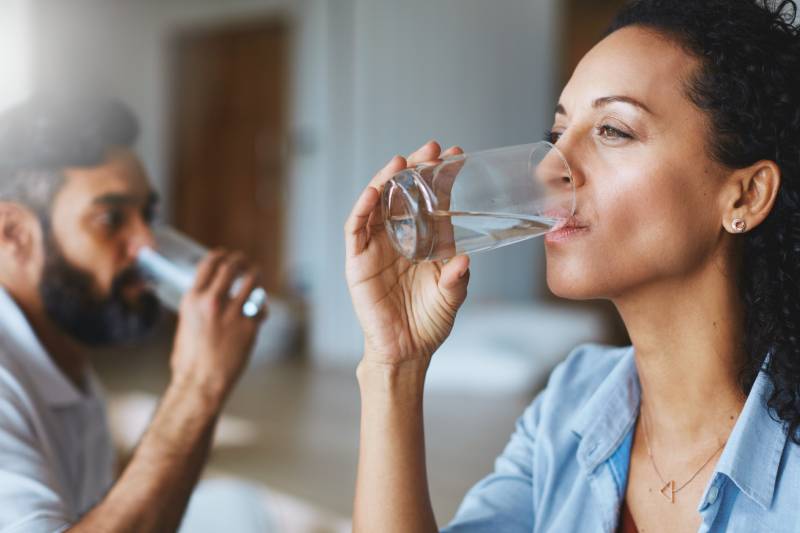
The importance of clean drinking water affects every part of daily life, from health to household safety. Clean drinking water supports proper hydration, protects families from harmful contaminants, and improves the quality of water used for cooking and beverages. Understanding the importance of clean drinking water helps homeowners make informed decisions about water treatment, filtration, and protecting their long-term health.
What is clean drinking water?
Many homeowners ask a basic question first: what is clean drinking water?
Clean drinking water is water that is safe to drink, cook with, and use every day without risk to your health. It should be free from harmful contaminants and unpleasant taste or odor. Clean water should also meet established drinking water quality standards.
Understanding what clean drinking water is helps explain the importance of clean drinking water in every home. Safe water supports hydration, cooking, and basic household use.
Clean drinking water typically has several key characteristics.
- It does not contain harmful chemicals or pollutants
- It is free from unsafe levels of bacteria or microorganisms
- It has balanced mineral levels that do not affect taste or safety
- It looks clear and has no unusual odor
Municipal water systems treat water before it reaches homes. Treatment helps remove many contaminants and disinfect water supplies. However, water can still pick up minerals, chemicals, or other substances as it moves through pipes and distribution systems.
Because of this, many homeowners install a drinking water filtration system to improve water quality. Systems such as reverse osmosis units remove many dissolved substances and improve taste.
If you are wondering how to get clean drinking water at home, testing your water is often the first step. A free water analysis helps identify minerals, dissolved solids, and other factors that affect drinking water quality.
The effects of contaminated drinking water
The effects of contaminated drinking water can range from minor taste problems to serious health concerns. Water becomes contaminated when harmful substances enter the water supply.
These contaminants may come from industrial pollution, agricultural runoff, aging pipes, or natural mineral deposits in groundwater.
The effects of contaminated drinking water can impact both short term comfort and long term health.
Common issues may include:
- Unpleasant taste or odor
- Discolored or cloudy water
- Mineral buildup in plumbing and appliances
- Staining on sinks, fixtures, and laundry
In some cases, contaminated water may contain substances that affect health. This is why the importance of clean drinking water cannot be overstated. Safe water helps protect families from unnecessary exposure to contaminants.
Home water treatment systems help reduce these risks by improving water quality before it reaches your faucet.
Many homeowners install the best drinking water filtration system for their needs to improve taste and remove unwanted substances. Reverse osmosis systems are often used because they remove many dissolved solids and contaminants from drinking water.
If you want to understand how to get clean drinking water in your home, start with a professional water test. Testing helps identify water quality issues and determines which treatment system may work best.
Clean drinking water supports better health, better tasting beverages, and greater confidence in the water your family uses every day.
Public Health Impact of Clean Drinking Water
Potable water quality is vital to public health and affects communities worldwide. The World Health Organization (WHO) estimates that 2 billion people drink water tainted with human waste annually, which results in 485,000 deaths from diarrhea. Furthermore, the spread of other illnesses, including polio, hepatitis A, and dysentery, is associated with contaminated drinking water.
Children, expectant mothers, the elderly, and other vulnerable groups are especially vulnerable to the adverse health effects of contaminated water. For instance, diarrheal disorders brought on by contaminated water and inadequate sanitation kill approximately 800 children every day, making children under the age of five the most vulnerable to waterborne illnesses.
Waterborne infections can affect populations in the long term, including malnourishment, stunted growth, poor cognitive development, and immediate health impacts. We can avert disease, preserve lives, and advance societal well-being by investing in infrastructure for safe drinking water and implementing water treatment technologies.
Environmental Sustainability and Water Quality
Besides its effects on human health, pure drinking water is essential for protecting our ecosystem. Clean water supplies support a variety of ecosystems and wildlife habitats, which in turn support important industries like agriculture. We can guarantee future generations will live in a healthy environment by safeguarding and conserving our water supplies.
Social and Economic Implications of Water Quality
Prosperity on the social and economic fronts is intimately linked to having access to good drinking water. According to UNICEF, over 2.2 billion people globally do not have access to safely managed drinking water services, which hurts their capacity to live healthy and productive lives. Poor water quality, especially in low-income and marginalized populations, exacerbates poverty, impedes economic growth, and maintains social inequality.
Moreover, the financial consequences of water quality go beyond personal welfare to encompass more general advancements in society. According to World Bank estimates, inadequate sanitation and water quality cost the world economy some $260 billion a year in lost productivity and medical costs. Societies can promote sustainable development, enhance public health, and open up economic opportunities by funding water infrastructure and quality management programs.
Global Perspectives on Water Scarcity and Access
Millions of people lack access to clean drinking water globally. A concerted effort is needed to enhance water infrastructure, safeguard natural water sources, and advance sustainable water management techniques to address the worldwide water shortage. Together, we can ensure everyone has access to clean drinking water.
How to Get Clean Drinking Water
Many homeowners ask a simple question. How to get clean drinking water at home?
Municipal water systems treat water before it reaches your home. That process removes many contaminants and disinfects the supply. But water can still pick up minerals, chemicals, and other substances as it travels through pipelines.
That is why many households take additional steps to improve water quality at the point of use.
Understanding how to get clean drinking water usually starts with testing. A professional water test helps identify the substances present in your water supply. Testing can reveal mineral levels, dissolved solids, and other water quality concerns.
Once you know what is in your water, you can choose the right treatment solution.
Common ways homeowners improve water quality include:
- Installing a reverse osmosis drinking water system
- Using carbon filtration to improve taste and odor
- Adding water softeners to reduce hardness minerals
- Scheduling regular water testing and maintenance
These solutions help address issues that affect the importance of clean drinking water in the home. Cleaner water improves taste, cooking quality, and everyday hydration.
Many homeowners choose professional water analysis before installing any system. This ensures the solution matches the water conditions in the home.
Aqua Soft Water Systems provides homeowners with water testing and treatment solutions designed to improve drinking water quality.
Best Drinking Water Filtration System for Your Home
Choosing the best drinking water filtration system depends on your home water conditions and your household needs.
Different systems target different water quality issues. Some systems focus on taste and odor. Others remove dissolved solids or specific contaminants.
One of the most common solutions for improving drinking water quality is a reverse osmosis system.
Reverse osmosis systems push water through a semi permeable membrane. This membrane removes many dissolved substances that affect water taste and quality.
A typical reverse osmosis system includes several filtration stages.
- A sediment filter removes particles
- A carbon filter improves taste and reduces chlorine
- A reverse osmosis membrane removes dissolved solids
These systems are usually installed under the kitchen sink and provide filtered drinking water through a dedicated faucet.
Many homeowners consider reverse osmosis one of the best drinking water filtration system options for improving taste and reducing dissolved substances.
Water softeners can also support better water quality across the home. While they do not filter drinking water directly, they remove hardness minerals that affect plumbing, appliances, and soap performance.
Combining a water softener with a reverse osmosis system often creates a balanced approach to water treatment.
If you want to protect your family’s health and improve water quality, understanding the importance of clean drinking water is the first step. The right filtration system can help ensure the water you drink every day is clear, clean, and safe.
The importance of clean drinking water becomes clear when you consider how water quality affects health, safety, and daily living. If you want to know how to get clean drinking water at home, the right filtration system can make a major difference. Aqua Soft Water Systems offers solutions designed to improve drinking water quality, including reverse osmosis systems and water softeners. Contact us today to learn more about the best drinking water filtration system for your home and how to ensure your family has reliable access to clean drinking water.