If you’re confused about water softener vs water filter systems, you’re not alone. Most South Florida homeowners know their water has issues. Maybe it leaves spots on dishes, makes your skin feel weird after showers, or tastes like it came from a chemistry lab. But figuring out whether you need a water softener, a water filter, or both? That’s where things get murky.
Here’s the truth: water treatment companies love to overcomplicate this decision because confusion sells expensive systems. But the reality is simpler than most people think. Water softener systems and water filters solve completely different problems, and understanding what each one actually does will save you from buying the wrong solution—or paying for features you don’t need.
What Is the Difference Between Water Filter and Water Softener Systems?
The difference between water filter and water softener systems comes down to what they’re designed to remove from your water. Think of them as specialized tools: each one excels at solving specific problems, but they work in completely different ways.
Water softeners target hardness minerals (specifically calcium and magnesium) that cause scale buildup and make soap less effective. They use ion exchange, swapping those troublesome minerals for sodium or potassium ions. Water softeners don’t remove chlorine, bacteria, or improve taste. They’re laser-focused on one job: eliminating hardness.
Water filters remove contaminants that affect taste, odor, and safety. Depending on the type, they can eliminate chlorine, sediment, heavy metals, bacteria, and other unwanted substances. But most water filters don’t address hardness minerals at all—they’ll pass right through most filtration systems.
This fundamental difference explains why many South Florida homes need both systems. Your municipal water might be loaded with chlorine that makes everything taste like a swimming pool, while also containing enough calcium and magnesium to turn your showerheads into mineral sculptures.
What Does a Water Softener Do?
Water softeners solve one specific problem: hard water. If you’ve ever noticed white, chalky buildup on faucets, struggled to get soap to lather properly, or felt like your skin was tight and dry after showering, you’re dealing with hard water minerals.
The process is surprisingly straightforward. Water softeners contain resin beads that are charged with sodium or potassium ions. When hard water flows through the system, the calcium and magnesium ions stick to the resin beads, while sodium or potassium ions are released into the water. This ion exchange process effectively removes the minerals that cause hardness.
In South Florida, where hard water is common, water softeners provide several practical benefits. Your soap and shampoo will lather better and rinse cleaner. Dishes come out of the dishwasher without spots. Clothes feel softer and last longer because they’re not being beaten up by mineral deposits. Appliances like water heaters and washing machines last longer and operate more efficiently.
But water softeners don’t improve taste, remove chlorine, or address bacterial contamination. If your water tastes bad or smells like chlorine, a water softener won’t fix those issues.
What Does a Water Filter Do?
Water filters remove contaminants that affect taste, odor, appearance, and safety. Unlike water softeners, which target specific minerals, water filters can address a wide range of water quality issues depending on their design and filtration media.
Carbon filters excel at removing chlorine, which is the most common complaint about municipal water in South Florida. They also improve taste and odor by removing organic compounds that make water smell or taste unpleasant. If your water tastes like a swimming pool, a carbon filter will likely solve that problem.
Sediment filters remove particles like dirt, rust, and sand that can make water appear cloudy or leave residue in glasses. These are particularly useful if you have older plumbing that contributes particles to your water supply.
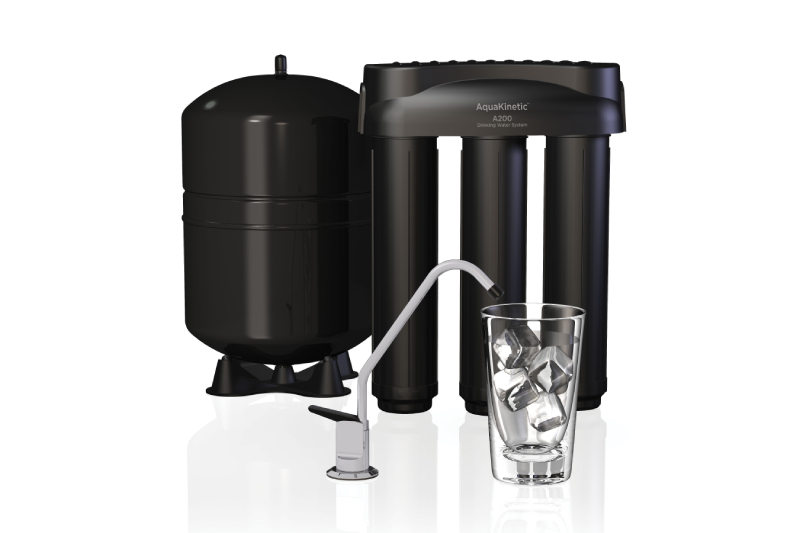
Reverse osmosis systems represent the most comprehensive filtration approach, removing dissolved solids, heavy metals, bacteria, and virtually everything except water molecules. They’re overkill for some situations but necessary when dealing with serious contamination or very poor-tasting water.
The key is matching the filtration technology to your specific water problems. A simple carbon filter might solve chlorine taste issues for $200, while a comprehensive reverse osmosis system could cost thousands but address multiple contamination concerns.
Key Benefits of Water Filters and Water Softeners
Understanding the specific benefits of each water system helps you prioritize what matters most for your household. Water filters and water softeners each provide distinct advantages that address different aspects of water quality.
Benefits of water filters include dramatically improved taste and odor. If you’re buying bottled water because your tap water tastes terrible, a good filtration system often eliminates that expense entirely. Water filters also remove chlorine, which can dry out skin and hair, and eliminate contaminants that might pose health risks.
For families with young children or immune-compromised members, some water filters provide peace of mind by removing bacteria, heavy metals, and other potentially harmful substances. They also protect appliances that use water for taste-critical applications—your coffee maker, ice maker, and cooking will all benefit from filtered water.
Benefits of water softeners focus on protecting your home’s plumbing and appliances while improving daily comfort. Soft water prevents scale buildup that can clog pipes, reduce water heater efficiency, and damage appliances. Your soap, shampoo, and detergents work more effectively, often allowing you to use less product for better results.
Soft water also improves skin and hair health by eliminating the mineral residue that can make skin feel tight and hair look dull. Clothes washed in soft water feel softer, look brighter, and last longer because they’re not being damaged by mineral deposits.
Water Filtration vs. Water Softener Systems: Which Is Right for Your Water Quality?
Choosing between water filtration vs water softener systems (or determining if you need both) depends entirely on your specific water quality issues. The good news is that identifying what you need isn’t as complicated as water treatment companies often make it seem.
Start with a water test to understand what you’re actually dealing with. Many problems have obvious symptoms: hard water leaves spots and scale, chlorinated water tastes like a pool, and contaminated water might have unusual colors or odors. But testing provides the complete picture and prevents you from guessing.
If your main complaints are spots on dishes, soap that doesn’t lather well, or scale buildup on fixtures, you probably need a water softener. These are classic hard water symptoms that filtration won’t address. A water softener will solve these problems effectively and relatively inexpensively.
If your water tastes bad, smells like chlorine, or you’re concerned about contaminants, water filtration is your answer. The type of filtration depends on your specific issues—carbon filters for chlorine and taste, reverse osmosis for comprehensive contaminant removal, or UV sterilization for bacterial concerns.
Many South Florida homes benefit from both systems because municipal water often contains both hardness minerals and chlorine treatment chemicals. In these cases, the systems work together: the water softener protects your plumbing and appliances, while the filtration system ensures your drinking water tastes good and is safe.
Customized Water Solutions from Aqua Soft in South Florida
At Aqua Soft Water Systems, we understand that South Florida’s water challenges require customized solutions. As Palm Beach County’s authorized Kinetico dealer, we’ve seen every combination of water quality issues and know that one-size-fits-all approaches rarely work.
Our approach starts with comprehensive water testing to identify your specific issues. We don’t assume what you need based on your neighborhood or general complaints—we test your actual water to understand exactly what we’re solving. This prevents over-treatment and ensures you get the most effective solution for your budget.
For homes with hard water issues, we offer Kinetico water softener systems that operate without electricity and provide continuous soft water even during regeneration cycles. These systems are designed for Florida’s challenging conditions and backed by comprehensive warranties.
When filtration is needed, we provide solutions ranging from simple carbon filters for chlorine removal to comprehensive reverse osmosis systems for complete contaminant elimination. Our drinking water systems ensure that every glass of water from your tap tastes as good as premium bottled water.
Many of our customers benefit from combination approaches that address multiple water quality issues simultaneously. We design these systems to work together efficiently, providing comprehensive water treatment without unnecessary complexity or expense.
Ready to stop guessing about water softener vs water filter systems and start enjoying better water throughout your home? Aqua Soft Water Systems offers free water analysis and consultation to help you understand exactly what you need. Contact us today to discover the perfect water treatment solution for your South Florida home.